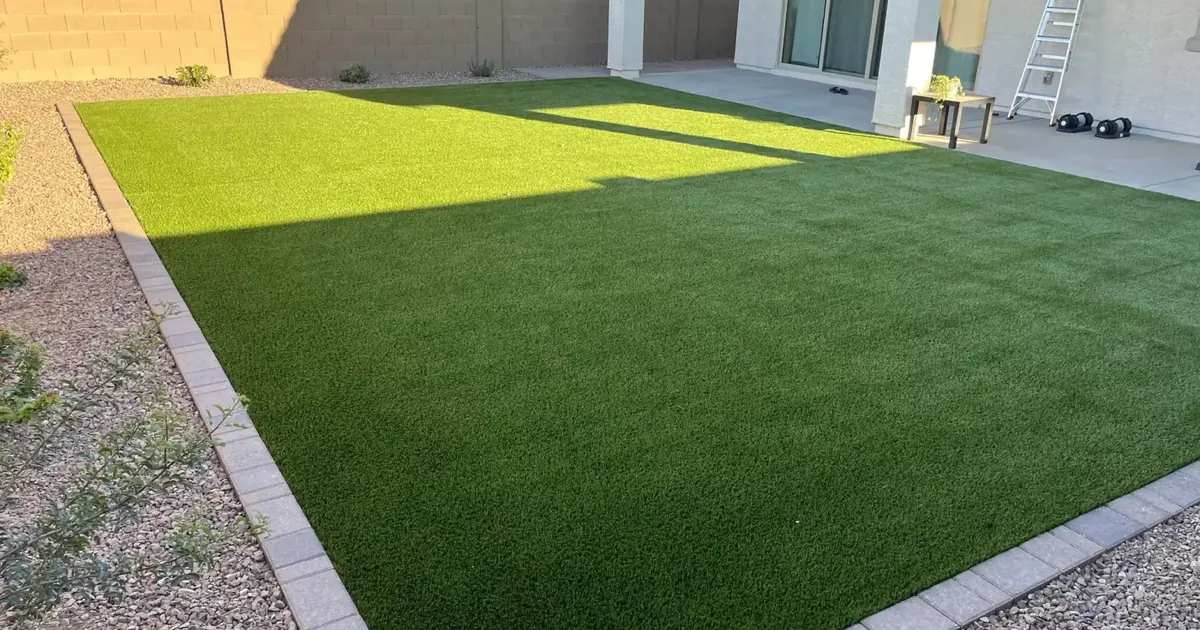
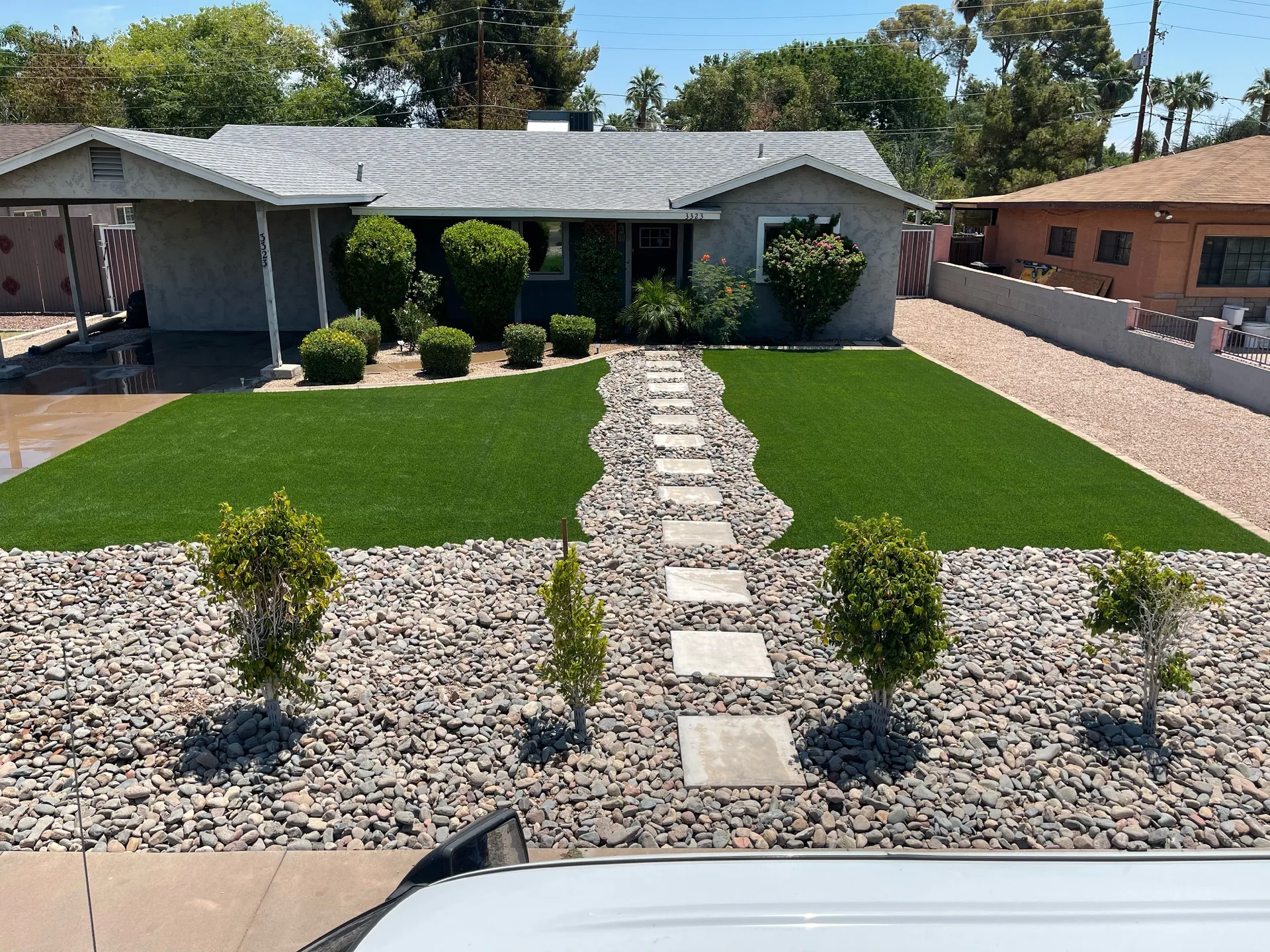
Artificial turf is a popular yard upgrade in Arizona. It stays green year-round and eliminates mowing and irrigation needed to keep grass alive. Cleaning and occasional cooling can still require water, and direct summer sun can make the surface hot. When installed correctly, turf can look and perform well for years.
The problem is that not every installation is done the right way. Shortcuts during preparation, poor material choices, and rushed workmanship can lead to wrinkles, uneven surfaces, drainage issues, and visible seams. These problems often show up months later, long after the installer has moved on to the next job.
The good news is that most turf problems are preventable. Experienced professionals follow proven steps to make sure the base is solid, the drainage works, and the finished surface looks natural. Understanding these common mistakes can help you ask the right questions before hiring an installer.
At Big League Turf & Landscape, our team has spent seven years helping West Valley homeowners create yards that last. We install residential turf with proper bases, clean seams, and infill designed for Arizona summers. Below, we break down the most common turf installation mistakes and how professionals avoid them.
Highlights
- Poor base preparation is one of the most common reasons turf develops dips, wrinkles, and soft spots.
- Ignoring drainage and grading can lead to standing water, odors, and runoff problems during monsoon season.
- Choosing turf without considering foot traffic, pets, or sun exposure can shorten its lifespan.
- Visible seams and loose edges are signs of rushed installation that can worsen over time.
- Using the right amount of infill keeps turf blades upright and helps the surface hold up to heavy use.
- Big League Turf & Landscape has completed more than 1,500 projects across the West Valley.
Skipping Proper Base Preparation
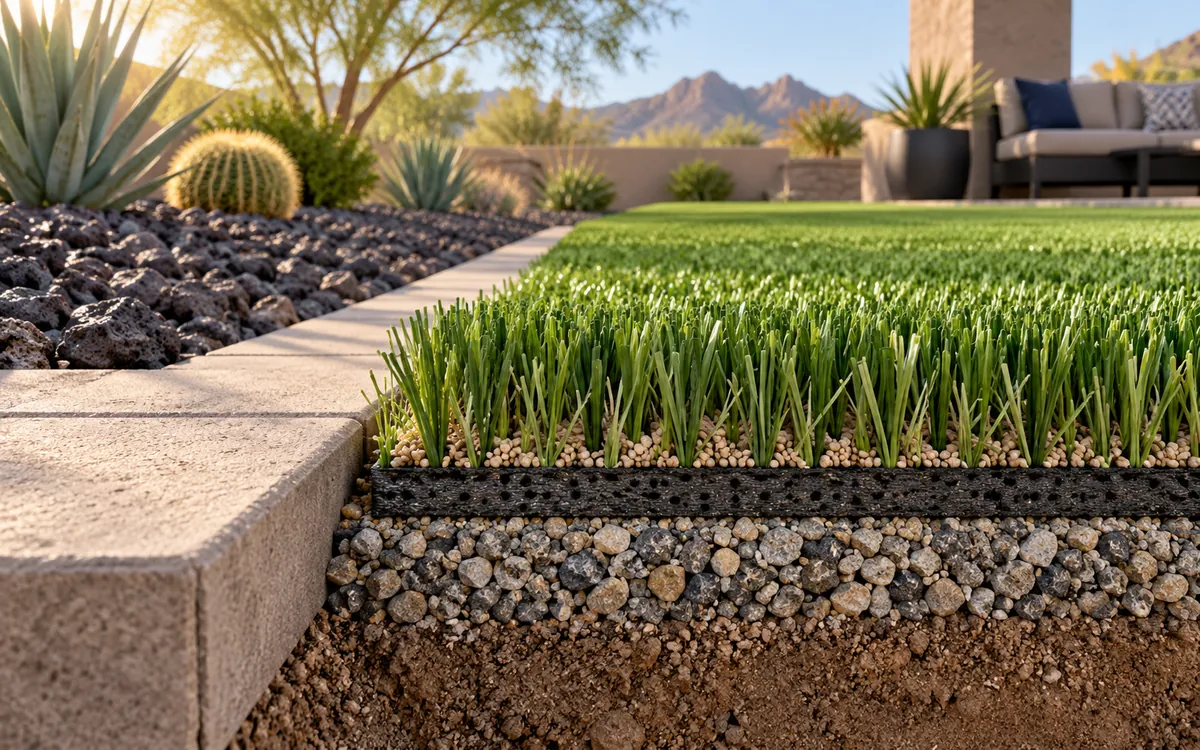
The base is the foundation of every turf installation, and it's where many problems begin. Some installers skip excavation or lay turf directly over existing soil, grass, or weeds. Without a stable, compacted base, the turf may shift, sink, or develop uneven spots over time.
Professionals start by removing existing grass, roots, and debris, then installing and compacting a permeable base material. This creates a smooth, stable surface that supports the turf and allows water to drain. Taking the time to prepare the base properly is what allows high quality turf to look and perform its best for years.
Ignoring Drainage and Grading
Drainage is easy to overlook when the weather is dry, but it becomes obvious during monsoon season. If the yard isn't graded correctly, water can collect in low spots, soak the base, and create soft, soggy areas. Poor drainage can also lead to odors, especially in yards used by pets.
Experienced installers evaluate the yard's natural slope and plan grading that directs water away from the home and hardscape. In some cases, additional drainage features may be needed. Proper planning helps rainwater move through the turf toward designated drainage areas. Our monsoon drainage guide explains how the backing, base, and grading work together.
Choosing the Wrong Turf for the Space
Not all turf is designed for the same purpose. A product that works well in a decorative front yard may not hold up in a backyard where kids play every day or dogs run constantly. Choosing turf based only on price or appearance can lead to early wear and disappointing results.
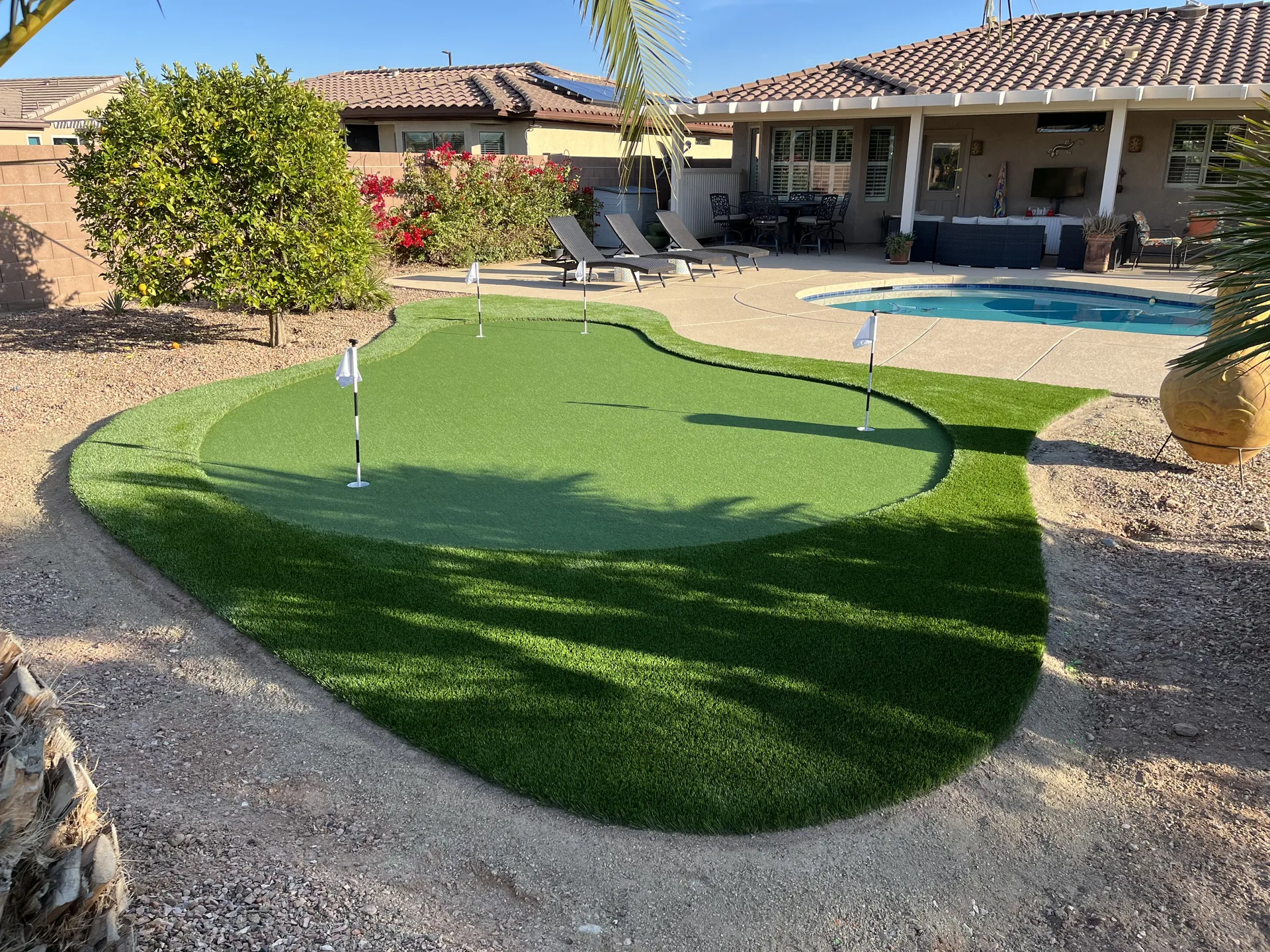
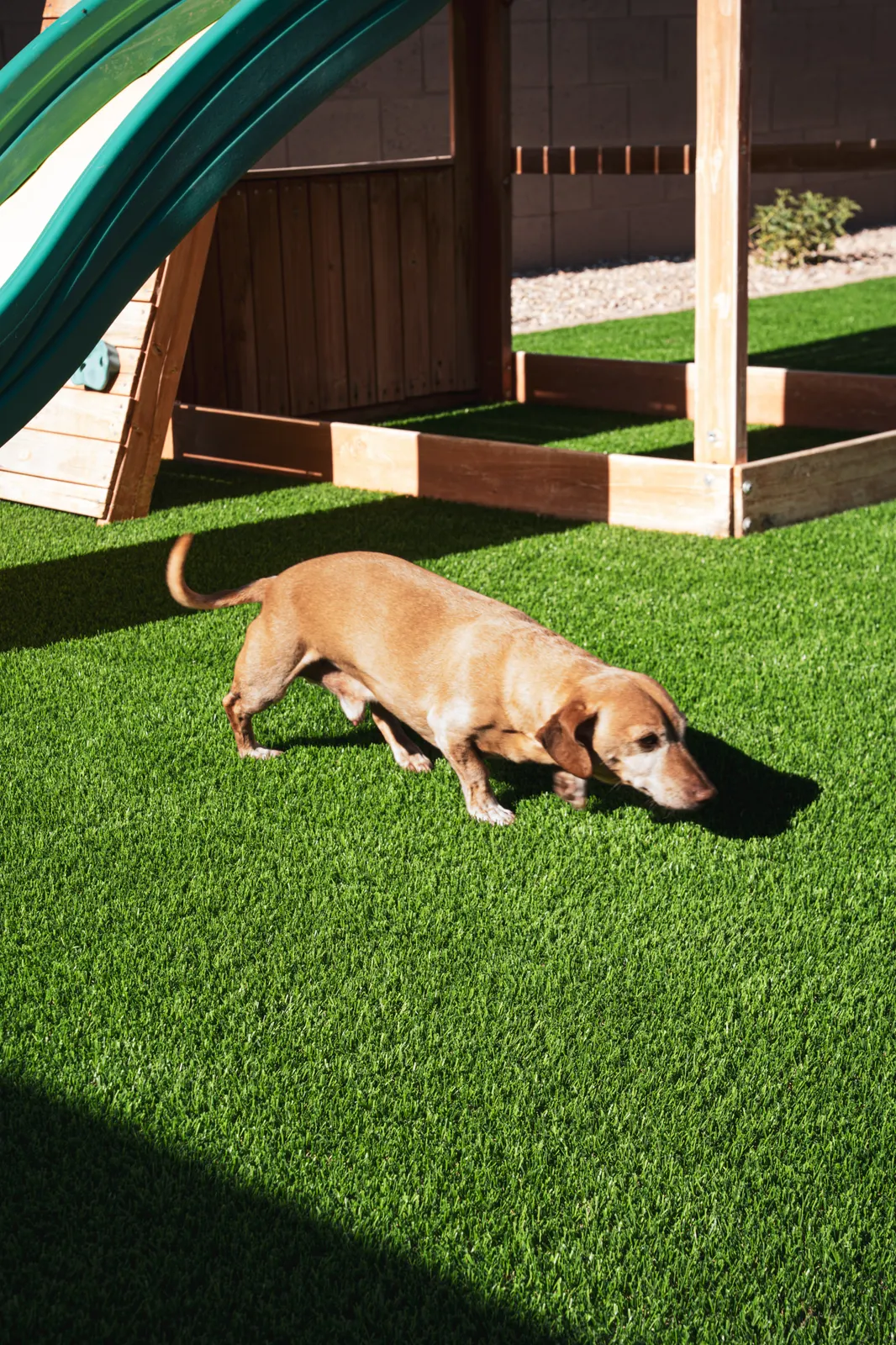
Professionals help homeowners select turf based on how the space will be used, how much sun it receives, and whether pets will be present. Pet turf with flow-through drainage may suit homes with dogs, while other products may suit putting greens or low-traffic areas. Matching the right high quality turf to the space helps ensure long-lasting performance.
Sun exposure also affects comfort. Our Arizona turf heat guide explains shade planning and why UV durability does not guarantee a cool surface.
Overlooking Seams and Edges
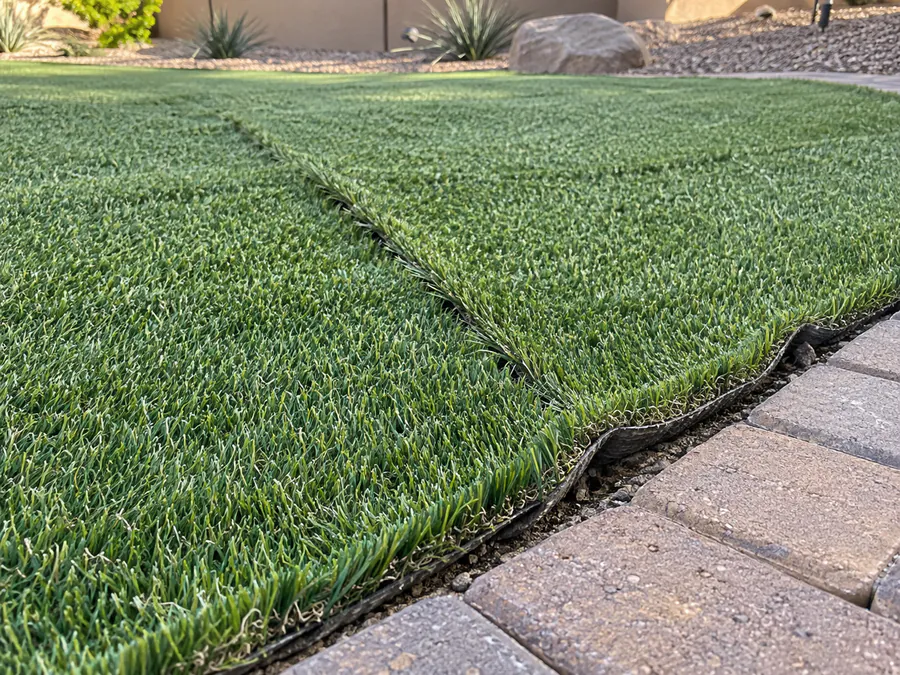
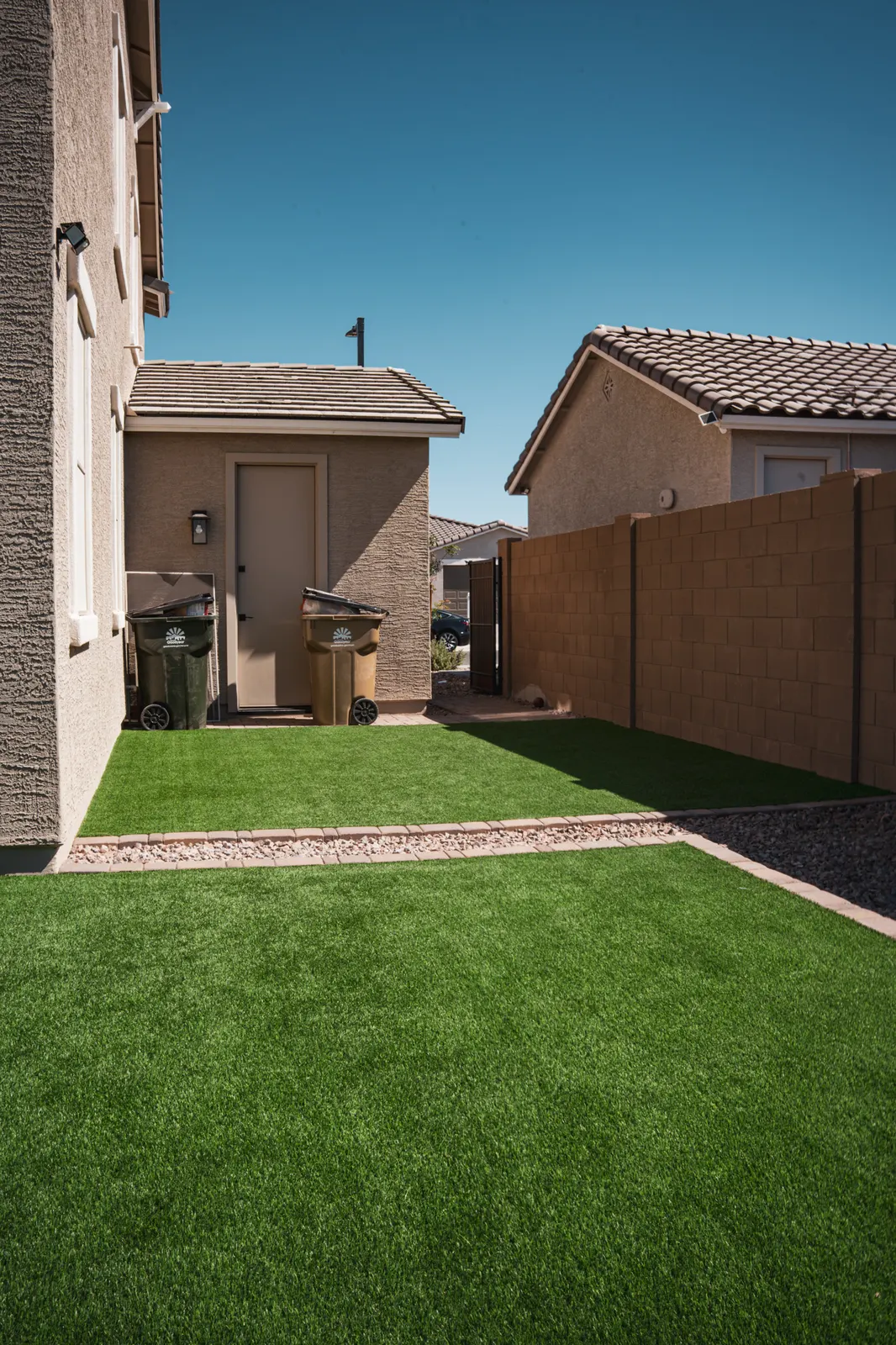
Seams are where two pieces of turf meet, and they're one of the clearest indicators of installation quality. Poorly joined seams can be visible from across the yard, and they may separate or lift over time. Loose edges can also curl up, creating tripping hazards and an unfinished look.
Skilled installers carefully align turf grain, trim edges precisely, and secure seams so they blend naturally. Edges are anchored firmly along borders, walkways, and hardscape. These details make a difference in how natural and polished the finished yard looks.
Using Too Little Infill
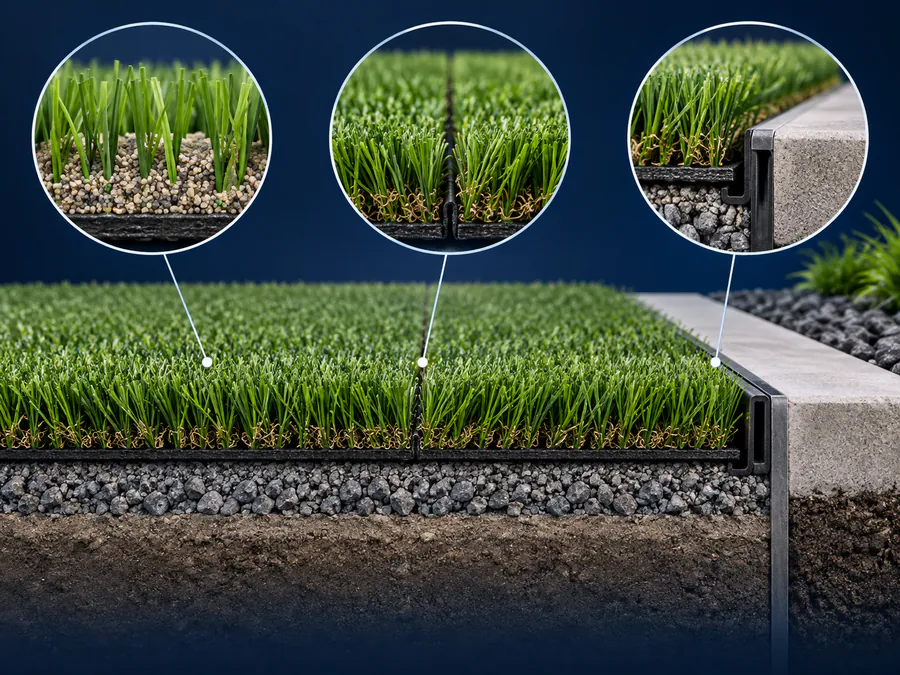
Infill is the granular material brushed into turf to support the blades, add weight, and help the surface stay in place. Some installers use too little infill to save time or money, which can cause blades to flatten and the turf to shift. Insufficient infill can also affect drainage and long-term durability.
Different infill materials offer different benefits, including blade support and odor management. Professionals select the material and application rate for the turf product and intended use, following manufacturer specifications. An infill used on a sports field is not automatically the right choice for a residential lawn.
Digging Without Checking for Utilities
Turf installation often requires excavation, which means digging into the ground to prepare the base. Skipping utility checks can lead to damaged irrigation lines, cables, or gas and electric lines, creating safety hazards and costly repairs. It's a mistake that can bring a project to a sudden stop.
Responsible installers arrange utility locating before excavation and confirm the required responses before work starts. Arizona 811 advises using hand tools within two feet of marked facilities and keeping marks visible and valid. Contact 811 for refreshed marks if they are damaged or the project exceeds 15 working days. Plan separately for private lines, including yard irrigation, that may not be covered by the utility locate.
Rushing the Installation
Many turf problems come down to one issue: rushing the job. Cutting corners to finish faster can lead to poorly compacted bases, sloppy seams, and uneven surfaces. What looks fine on installation day may quickly reveal problems once the yard is used regularly.
Professional crews follow a clear process from consultation through cleanup. At Big League Turf & Landscape, most residential jobs wrap up in one to two days, depending on size and complexity, but each step is completed carefully rather than hurried. Taking the time to do it right helps the finished turf hold up to regular use.
Installing Turf the Right Way With Big League Turf & Landscape
Avoiding common installation mistakes is the key to enjoying a turf yard that looks great and lasts. From base preparation and drainage to seams, infill, and safe digging practices, every step plays a role in the final result.
Big League Turf & Landscape is licensed and insured under ROC #364029 and offers free estimates with clear, honest pricing. Contact Big League Turf & Landscape today at (602) 980-6379 to schedule a consultation for high quality turf installation.
Plan your yard with Big League Turf & Landscape. Request a free estimate and discuss the right turf, base, and drainage approach for your property.
Request a Free EstimateMORE ON TURF
Frequently Asked Questions
READY FOR A YARD THAT WORKS?
Big League Turf has finished 1,500+ Arizona projects in 7 years. Get a free, honest quote for your yard.
Get a Free EstimateOr call us at (602) 980-6379.